Excavation of Bridge Island's former government port storage has revealed the small cargo truck Anne Shepherd used at the start of her Outer Islands investigation.
AR-ENG-0007The Little Truck in Bridge Island's Port ShedDigitised transcription attached to central catalogue record.
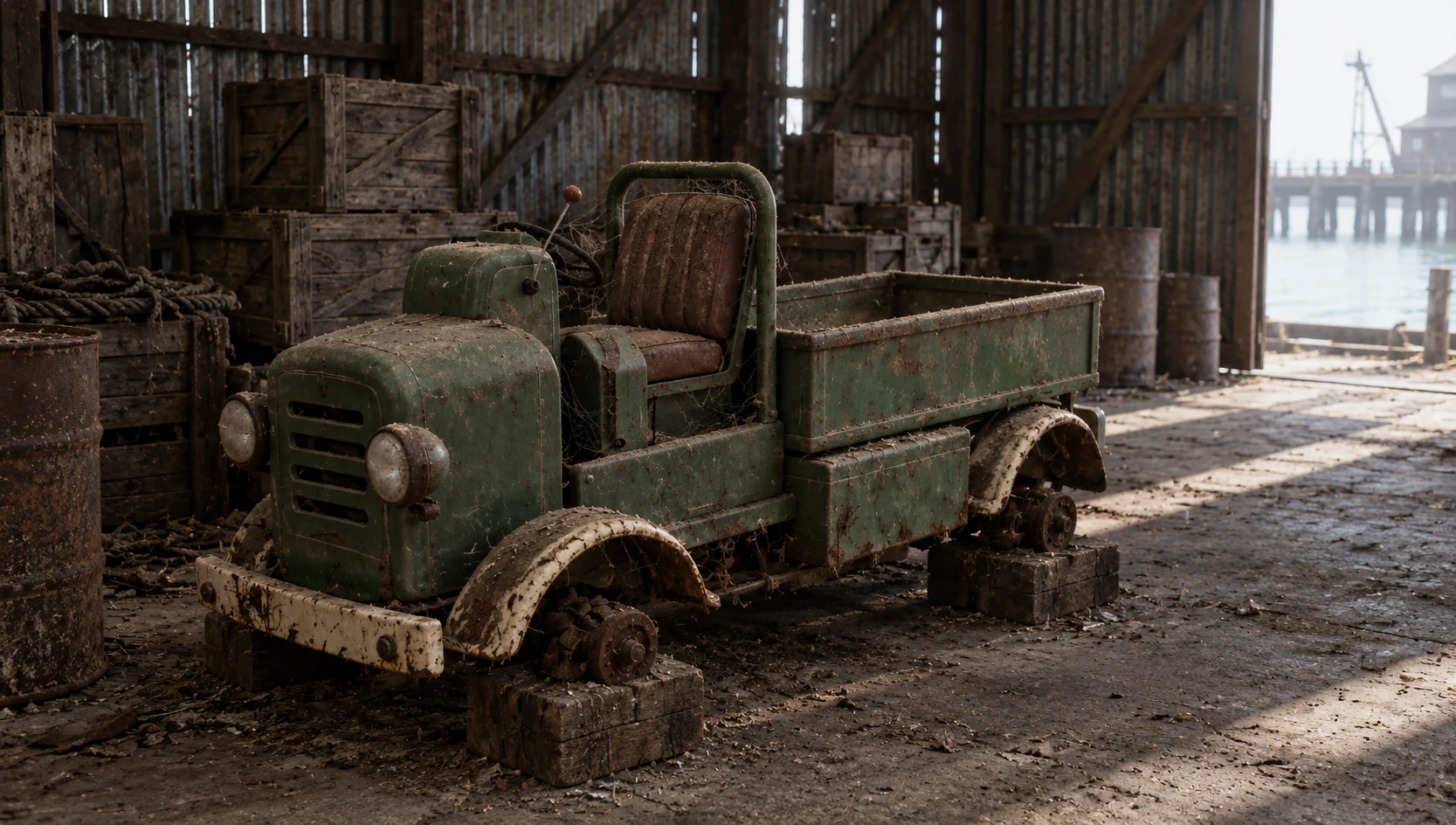
Editorial reconstruction of the truck as recovered in the port shed: its wheels are missing, but the cab, single seat and small load bed remain visible.AI-assisted visual reconstruction from a game screenshot; not an excavation photograph
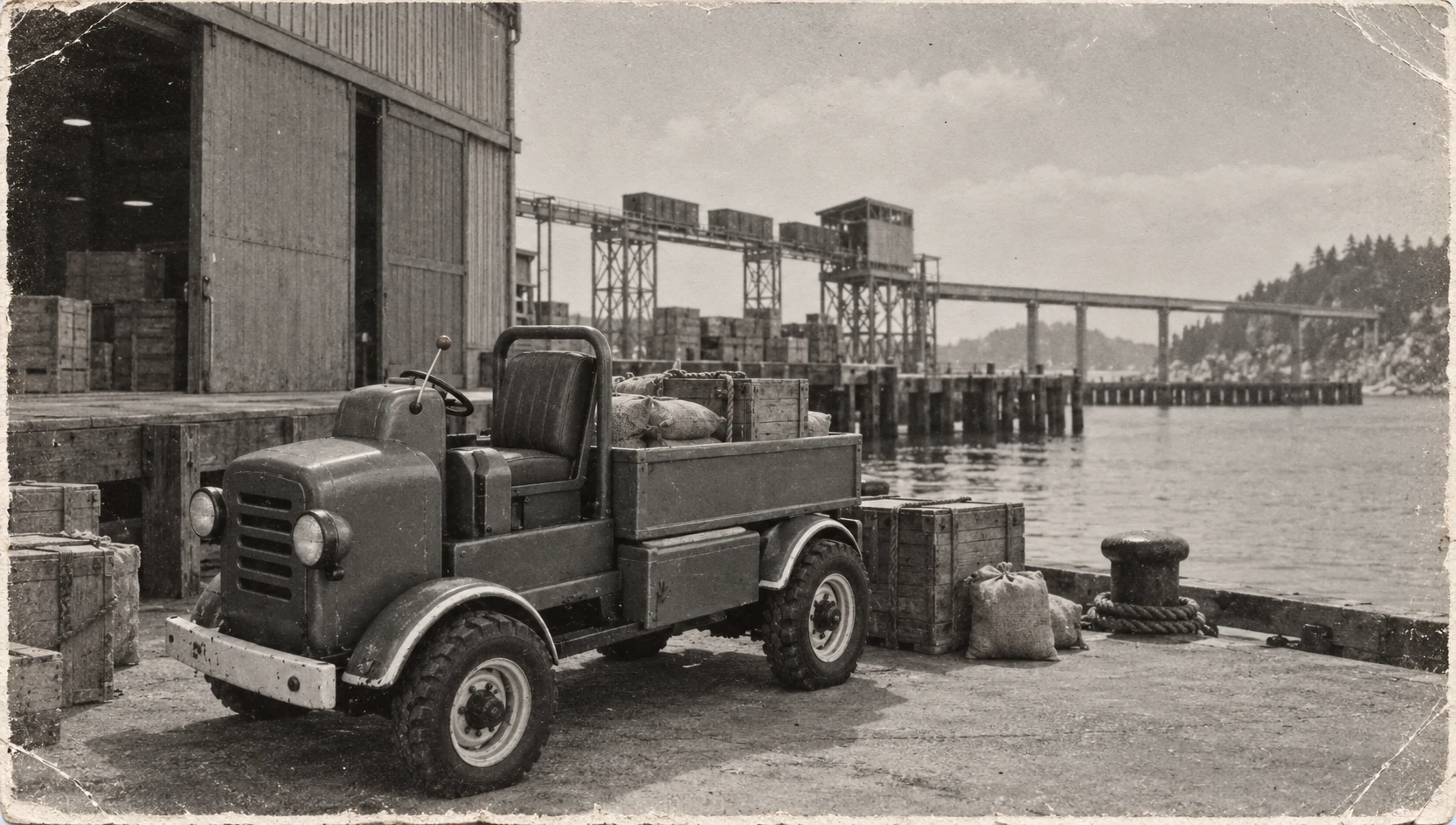
Interpretive 1958-era view of the truck in port service with mail and small goods. This is not an original period photograph.AI-assisted period reconstruction from a game screenshot
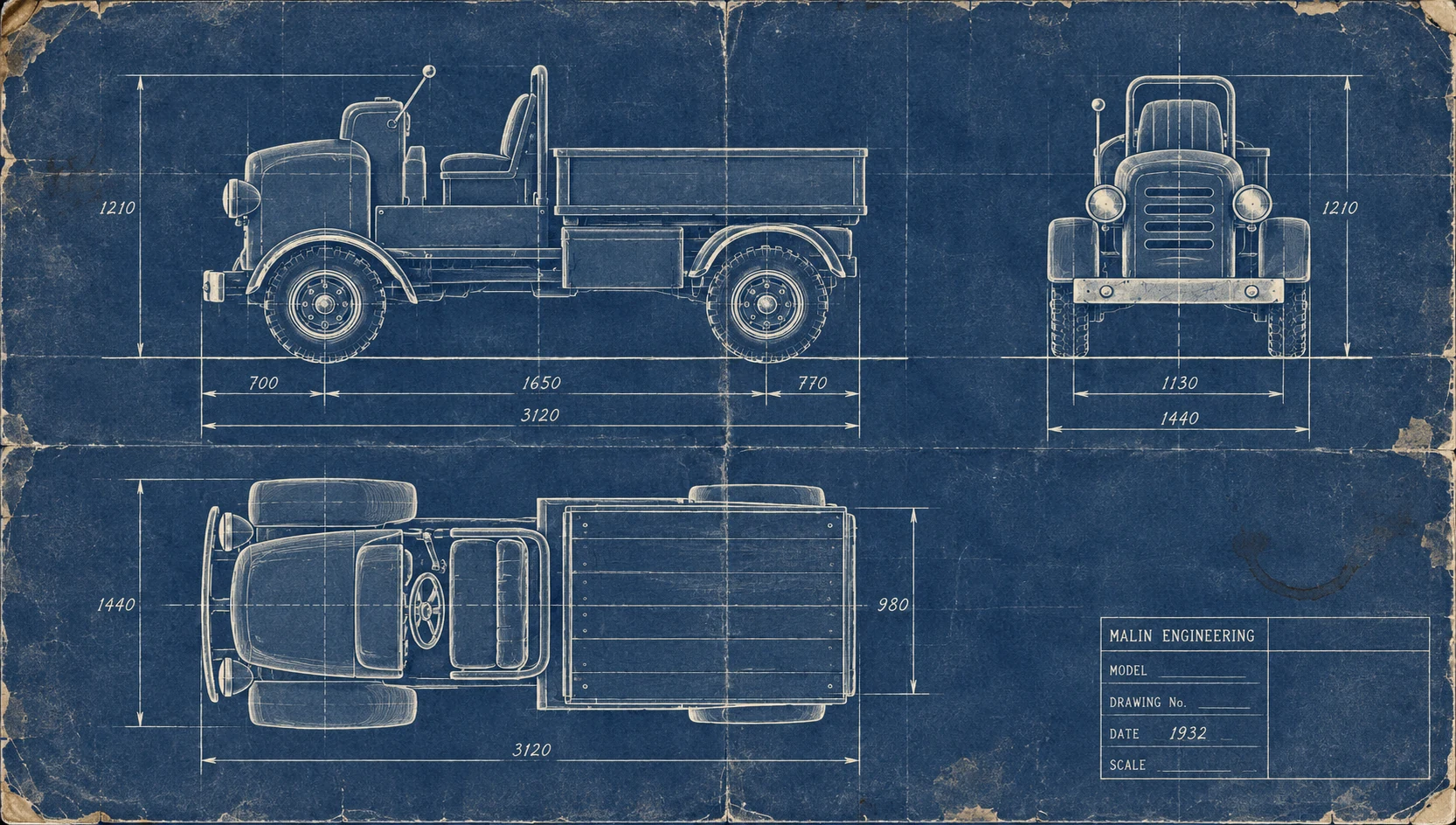
1932-style general-arrangement plate showing the truck's compact form. Illustrated dimensions are interpretive and have not been verified against a recovered drawing.AI-assisted editorial reconstruction; not an original Malin blueprint
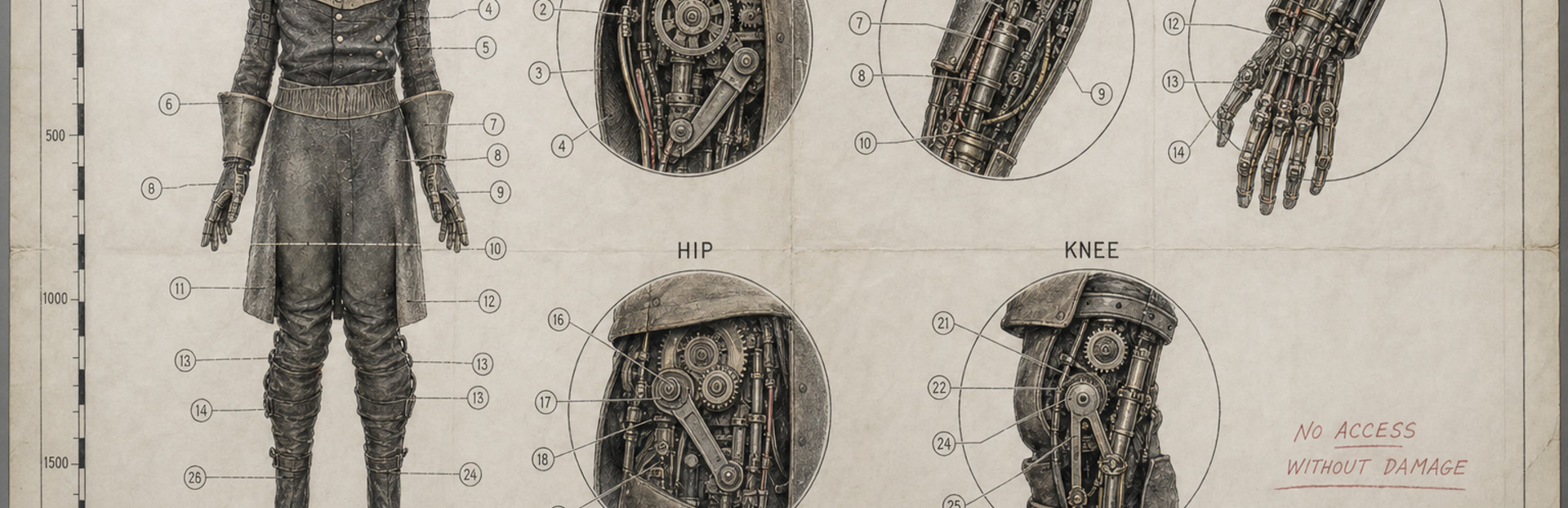
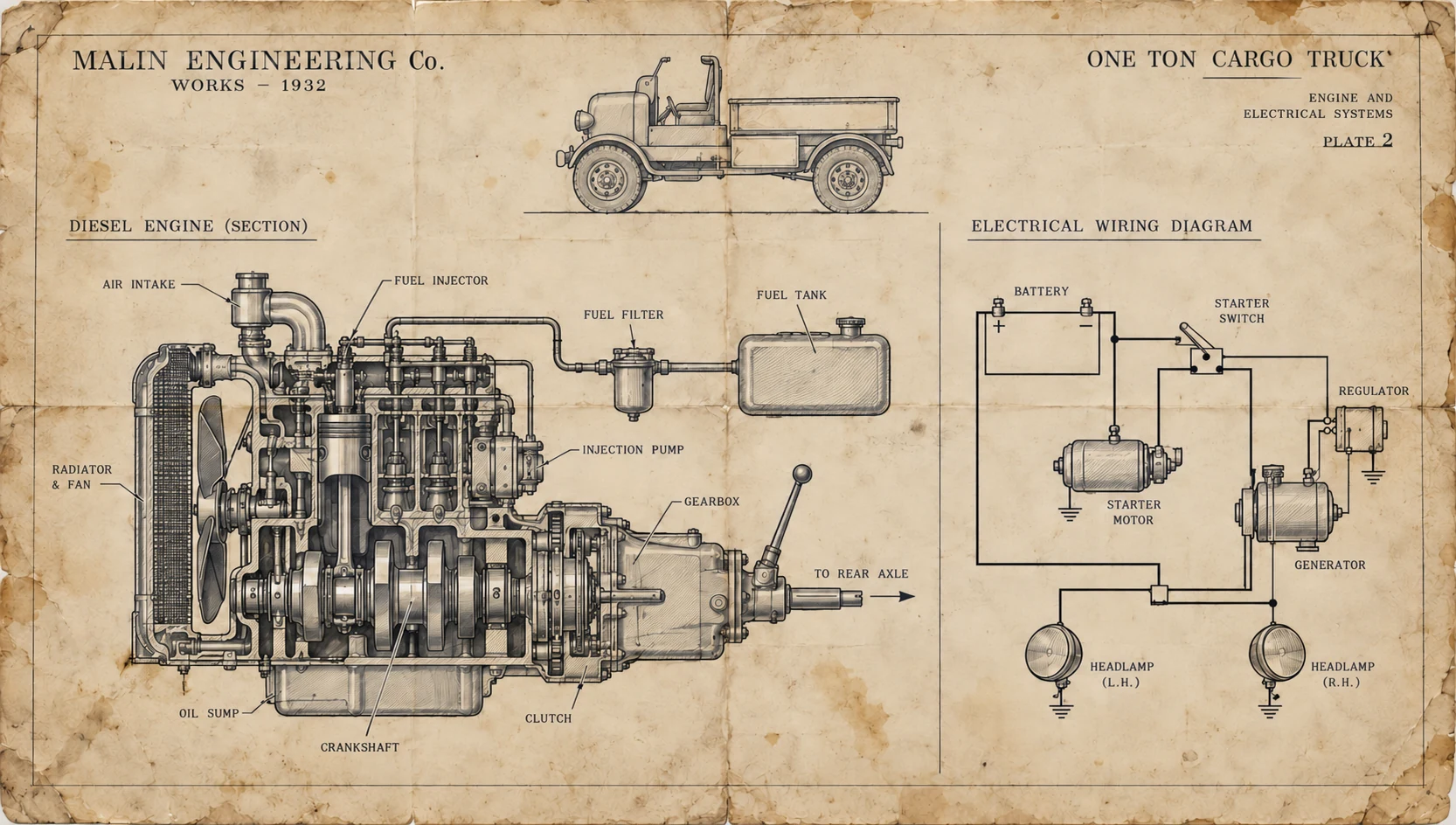
1932-style diesel and electrical systems plate. The engine cutaway and wiring are illustrative, not an authenticated technical schematic.AI-assisted editorial reconstruction; not an original Malin blueprint
Excavation at the old government port storage on Bridge Island has turned up a compact, single-seat truck associated with Anne Shepherd's early investigation of the Outer Islands. It was found inside a storage shed, dusty, rusted and without its wheels. The narrow cab and open load bed still make its former job legible: this was a practical carrier, not a passenger car.
The truck moved mail and small goods from the port towards the Gondola Island monorail station. Its short, low body made it more useful than the larger cargo systems for the final legs of a journey. When freight equipment could move cargo between islands or transport points, this little vehicle could be carried along and put to work wherever the larger machinery was too cumbersome. That flexibility also made it a convenient way for Shepherd to travel as she began her enquiries.
The surviving specification gives a top speed of 19 miles per hour, a load capacity of up to one tonne, and the ability to climb a 1:15 incline. These are modest figures for a road vehicle, but sensible ones for a small island machine expected to handle uneven service routes, parcels and equipment rather than long-distance travel.
Shepherd returned to the truck in several of her journals. She noted how useful it was and how fond she had become of it. The entries are not quoted here because the public archive does not yet hold a verified transcription of the relevant passages. Their broader account is consistent with a vehicle that offered something rare on the islands: a little independence between the fixed routes.
The four images accompanying this record are new editorial reconstructions made from a current game reference image. They help show the recovery scene, the vehicle in service, and how a 1932 Malin Engineering design packet might have explained its arrangement, diesel engine and electrical system. They are not original excavation photographs or recovered 1932 documents, and their illustrated dimensions and wiring should not be treated as measured evidence.
Built for the gaps between bigger systems
The port cranes, freight movements and monorail could carry more weight, but they could not deliver a bag of letters to every door or give an investigator a flexible route at short notice. A one-seat carrier with a useful load bed filled precisely that gap. Its small size also meant the truck itself could be transported to the place where it was needed, then used for the local journey.
That is the real significance of the discovery. The machine connects the government port, Gondola Island's monorail station and Shepherd's movements in a single ordinary object. It is a reminder that the islands were navigated not only by impressive infrastructure, but by modest tools that made that infrastructure usable.