Article
AR-RES-0001 / Public
Public Research Programme: Invitation to Independent Investigators
The Asylum Rock Institute invites independent researchers to develop well-founded interpretations from the public archive, beginning with the current Shepherd material and its related engineering records.
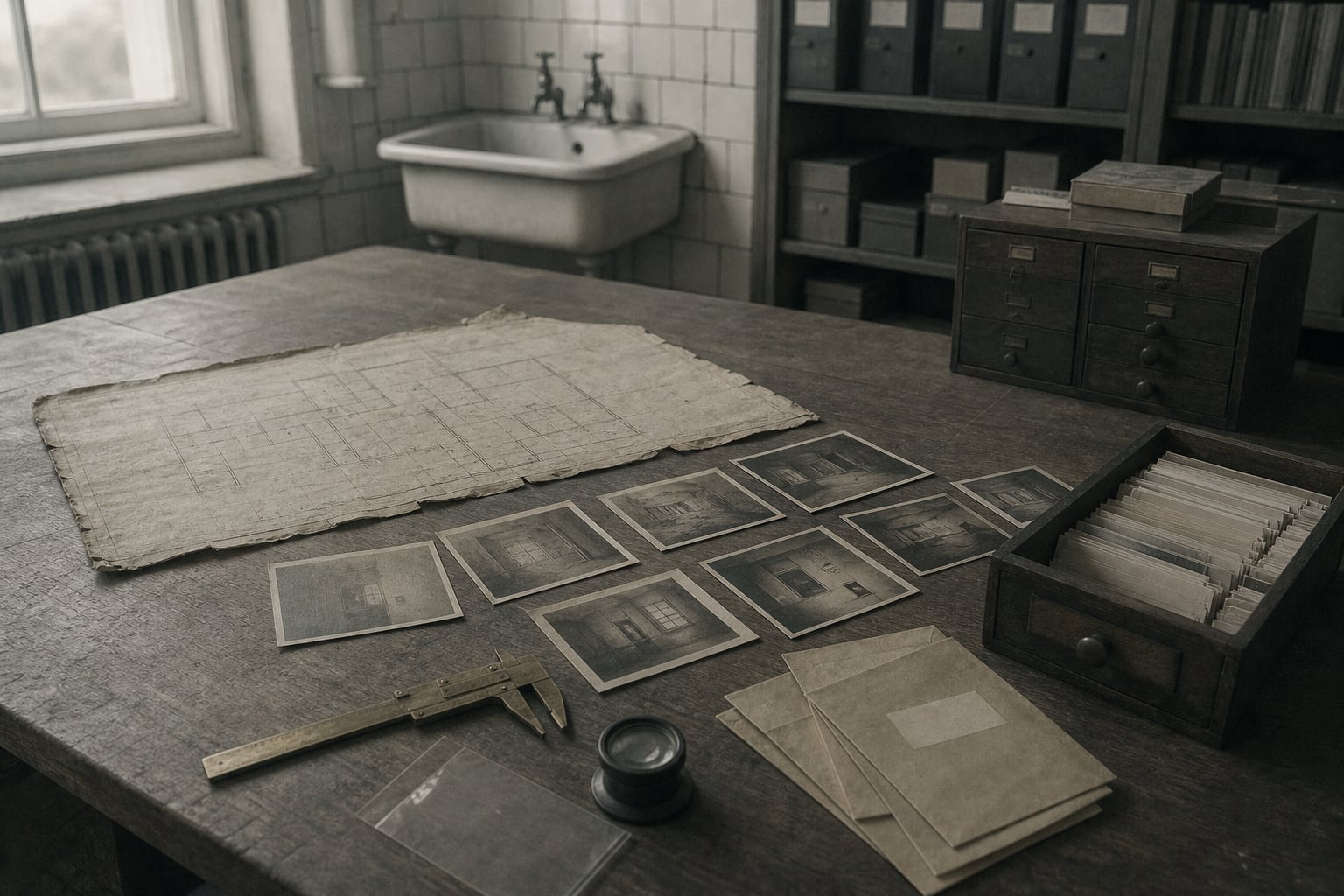
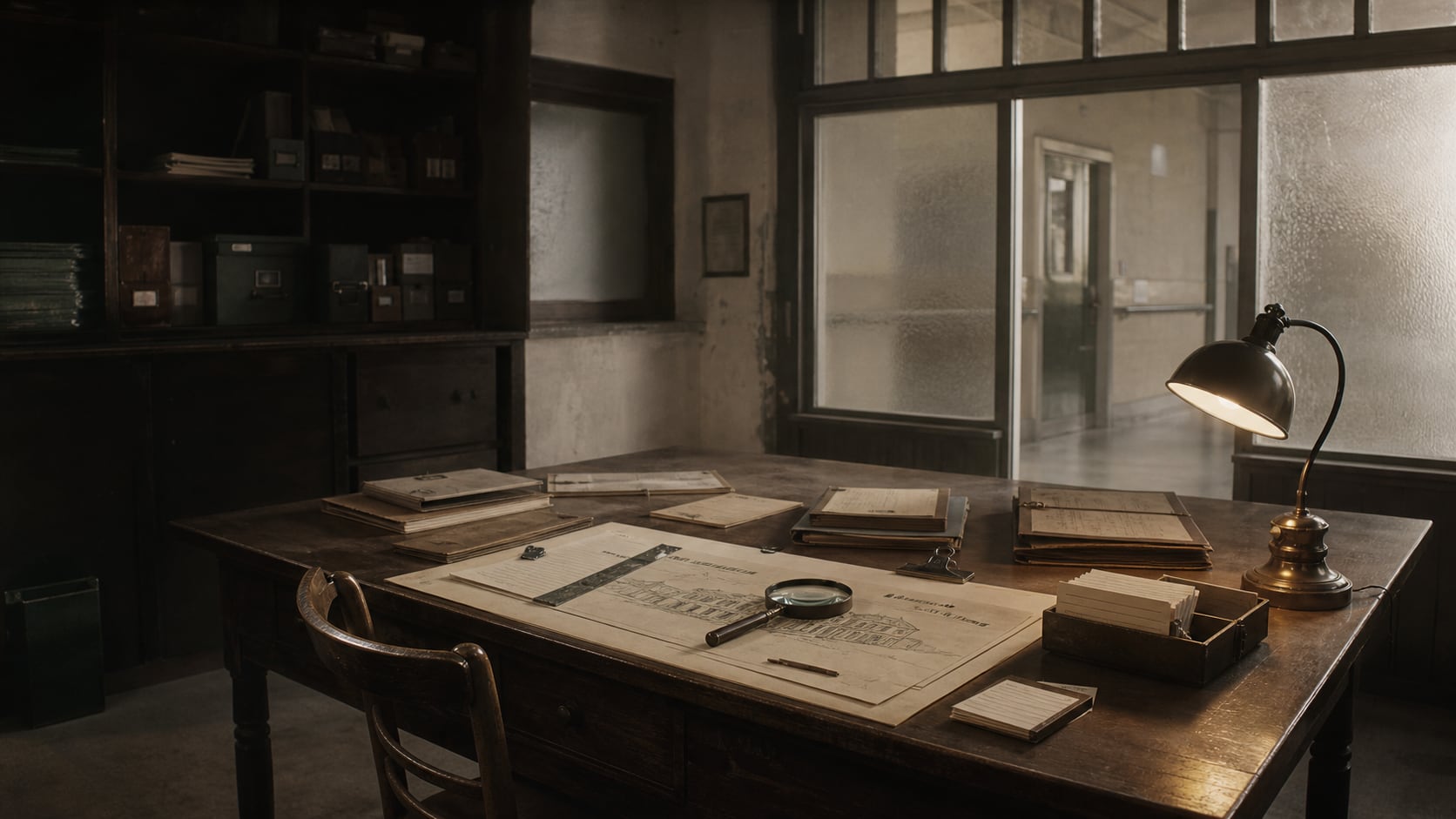
The Asylum Rock Institute is opening a public research programme for independent investigators willing to work carefully with the records already released through this archive. The programme begins with the principle that a strong question is often more useful than a quick answer, provided its sources can be shown and its limits are stated plainly.
Troy Malin's founding work repeatedly placed experimental study and forward-looking research at the centre of the hospital project. The Institute does not treat that legacy as permission to make untested claims. It treats it as a responsibility to examine difficult material openly, compare it with care, and revise an interpretation when better evidence becomes available.
Researchers may submit a finding, a proposed connection, a contradiction between records, or a question which deserves closer comparison. A useful submission identifies the public material it relies upon, separates observation from inference, and explains why an alternative reading may be weaker or remain possible. No specialist qualification is required; method, clarity, and respect for the evidence are the relevant standards.
Where a theory is well-founded and suitable for public release, the Institute may invite the researcher to develop it into a credited research note for this site. Publication records a contribution to the investigation; it does not convert an interpretation into an established Institute conclusion. Disagreement, revision, and competing readings remain part of the work.
Some submissions may also identify a practical next step for the Institute itself: an overlooked photograph to compare, a catalogue relationship to test, a route reference requiring review, or a newly useful question for the field team. In those cases, the work can open further investigation and, where release is appropriate, lead to new material becoming available to the public archive.
The first public desk concerns Detective Anne Shepherd's 1958 account of the BOB corridor beyond the hospital wards. The relevant records, images, and source reader are available through the research desk below. Researchers are invited to begin there, preserve the distinction between evidence and theory, and return when the record gives them reason to change their minds.