Developer Journal
But Is It Fun? Finishing Chapter One's Final Puzzle
Why the final Chapter One interaction became a clear release sequence instead of a ten-step exercise in resetting the hydrotherapy machinery.
Real-world production notes for The Outer Islands. This entry is not an Asylum Rock Trust record.
Video Journal
But Is It Fun? Finishing Chapter One's Final Puzzle
Today I finished work on the final interaction in Chapter One of The Outer Islands.
The player reaches this point after making their way through the hospital, cargo areas, wards, greenhouses, docks and Gondola Island. It is a deliberately convoluted route. They first gain access as a patient, upgrade their clearance to engineer and avoid the BOB maniple before the Malin information system finally directs them towards the hydrotherapy pump-control room.
Beyond that room lies one of the chapter's largest reveals: the colossal underwater reservoirs and desalination spheres beneath Asylum Rock.
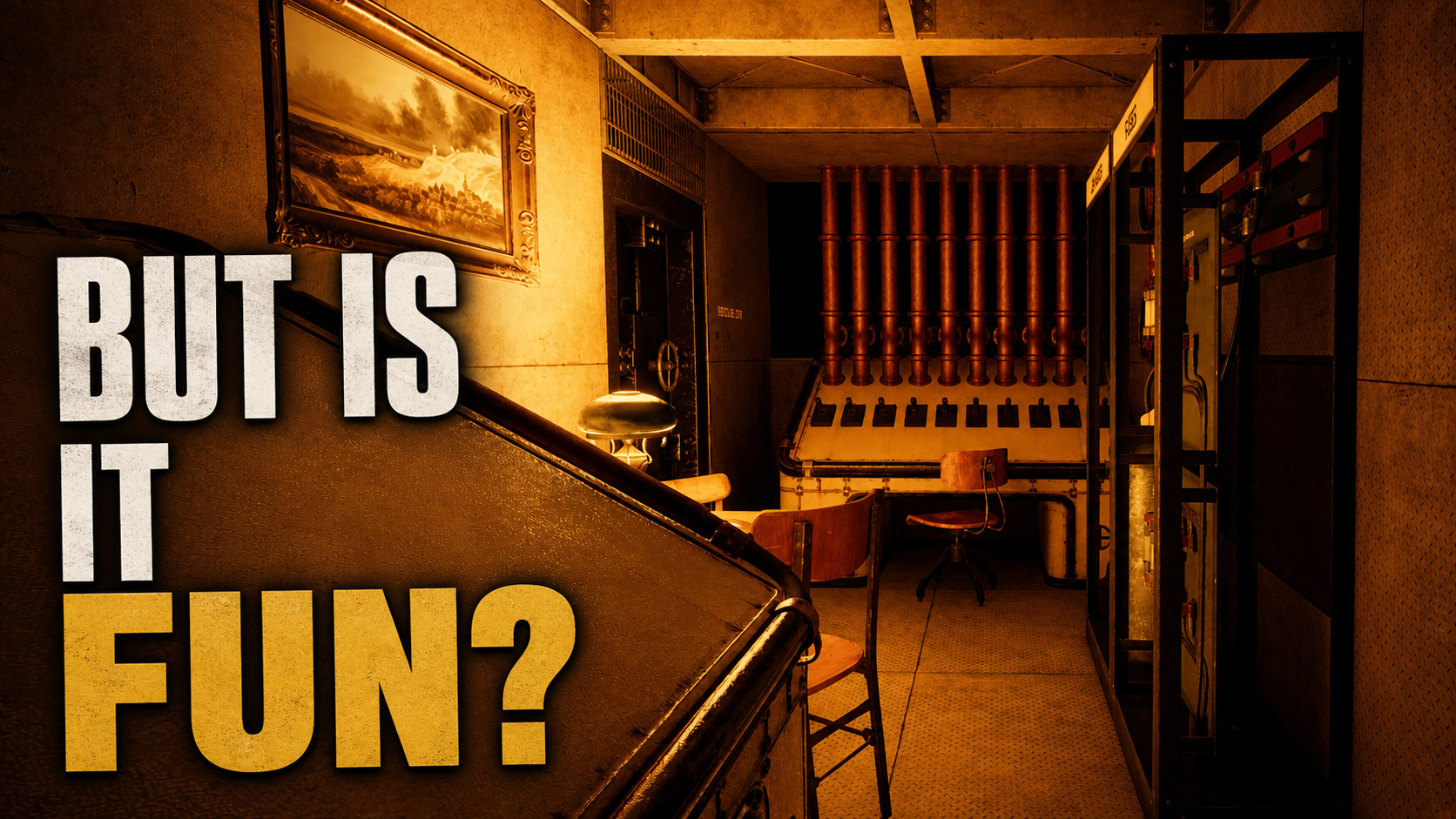
I had given a considerable amount of thought to the puzzle controlling access to them. The original plan involved ten pressure-release switches which had to be thrown in the correct sequence. Getting one wrong would reset the entire mechanism, forcing the player to begin again.
At some point I was reminded of the title of a game-development talk I never attended: But is it fun? That is a useful question, particularly when you have spent long enough building something that your brain has begun quietly defending it from all reasonable criticism.
Would it be fun to laboriously work out the position of ten animated switches, only to have the entire arrangement reset every time one was wrong? Pretty sure that is a no—even when I am in full autistic-developer mode.
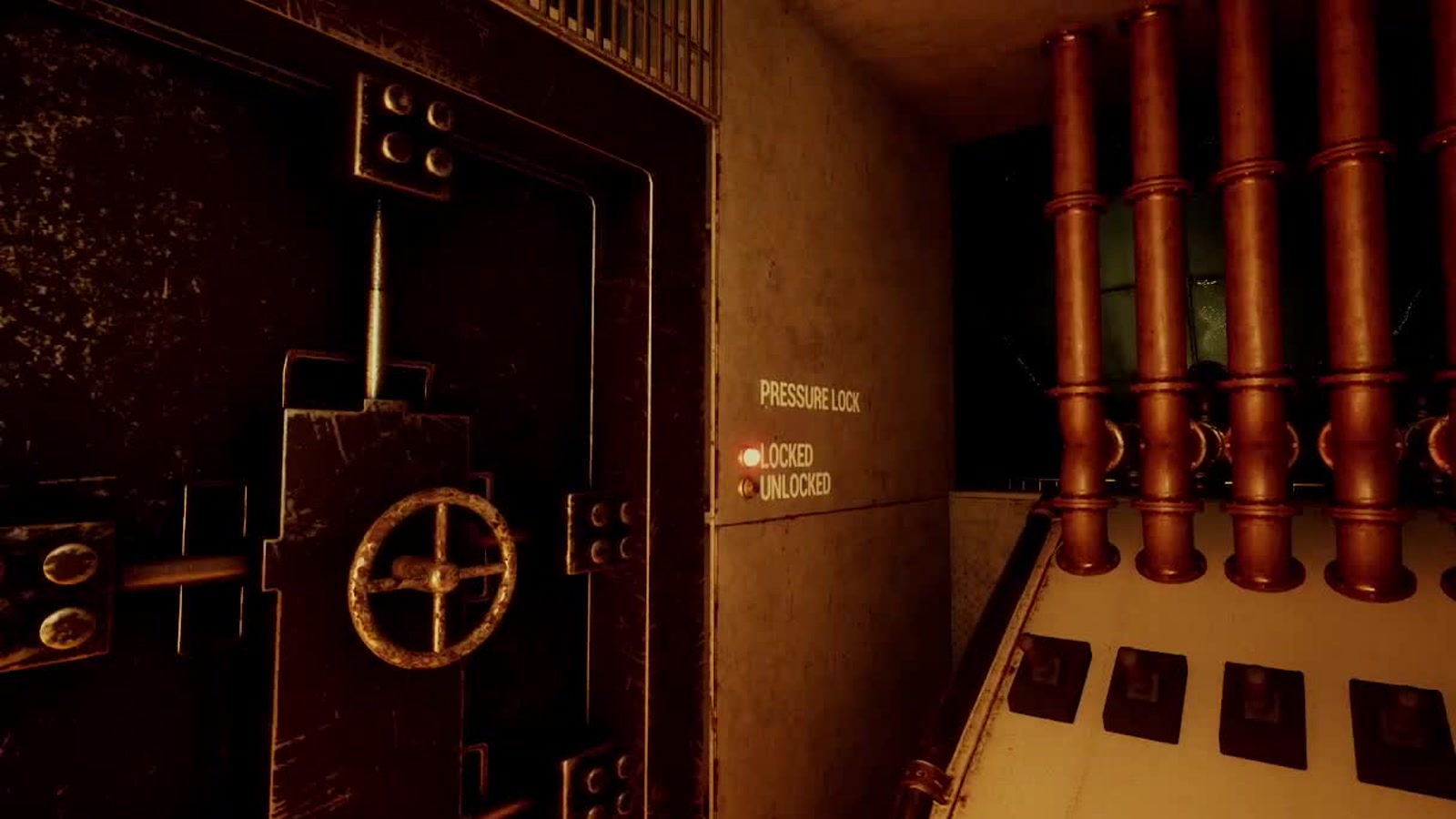
By this stage, the player already knows they are approaching the end of the chapter. They have navigated the hospital's liminal service areas, dealt with its clearance systems, avoided its machinery and followed the information left by Malin Corporation. The pressure lock is directly in front of them. The switches are clearly connected to it.
They are going to want to throw the switches and make something enormous happen.
If I encountered the original version at that point, I would probably set fire to the computer and walk away somewhere around the second complete reset. This seemed a slightly excessive hardware requirement for reaching Chapter Two.
So the ten switches remain, but the sequence puzzle does not.
The player now enters the control room, understands what the Malin information system has asked them to do and opens each pressure-release valve. Completing the bank releases the lock, starts the desalination machinery and opens the route forward.
Strictly speaking, it is no longer much of a puzzle. It is a final physical action. The player has already earned the reveal; the switches allow them to cause it.
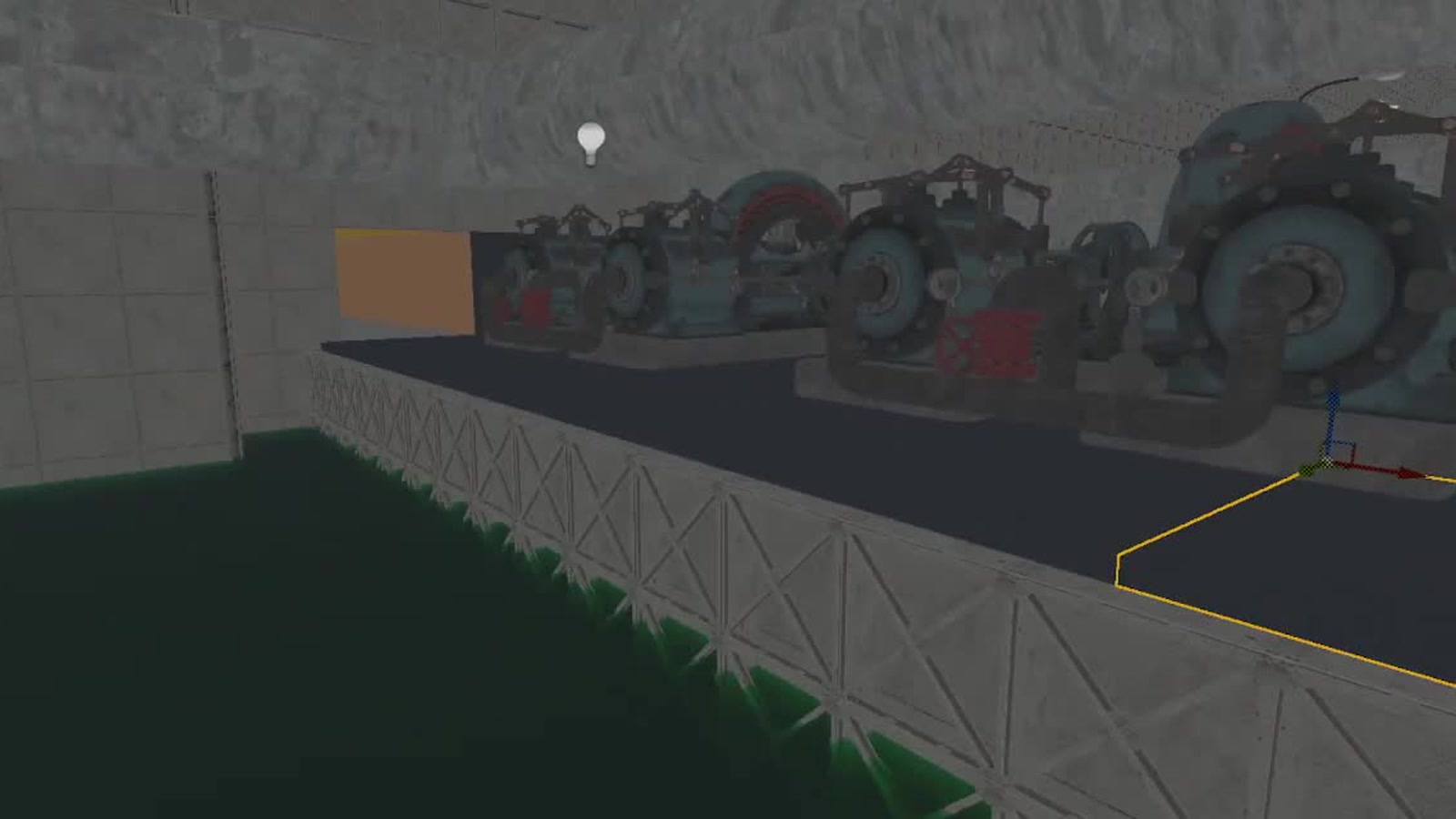
Lighting is an important part of that reveal. When the player first enters, their available light is relatively small and the true size of the reservoir remains concealed. Only when the machinery starts, the engines begin running and the wider lighting comes online does the scale of the chamber become apparent.
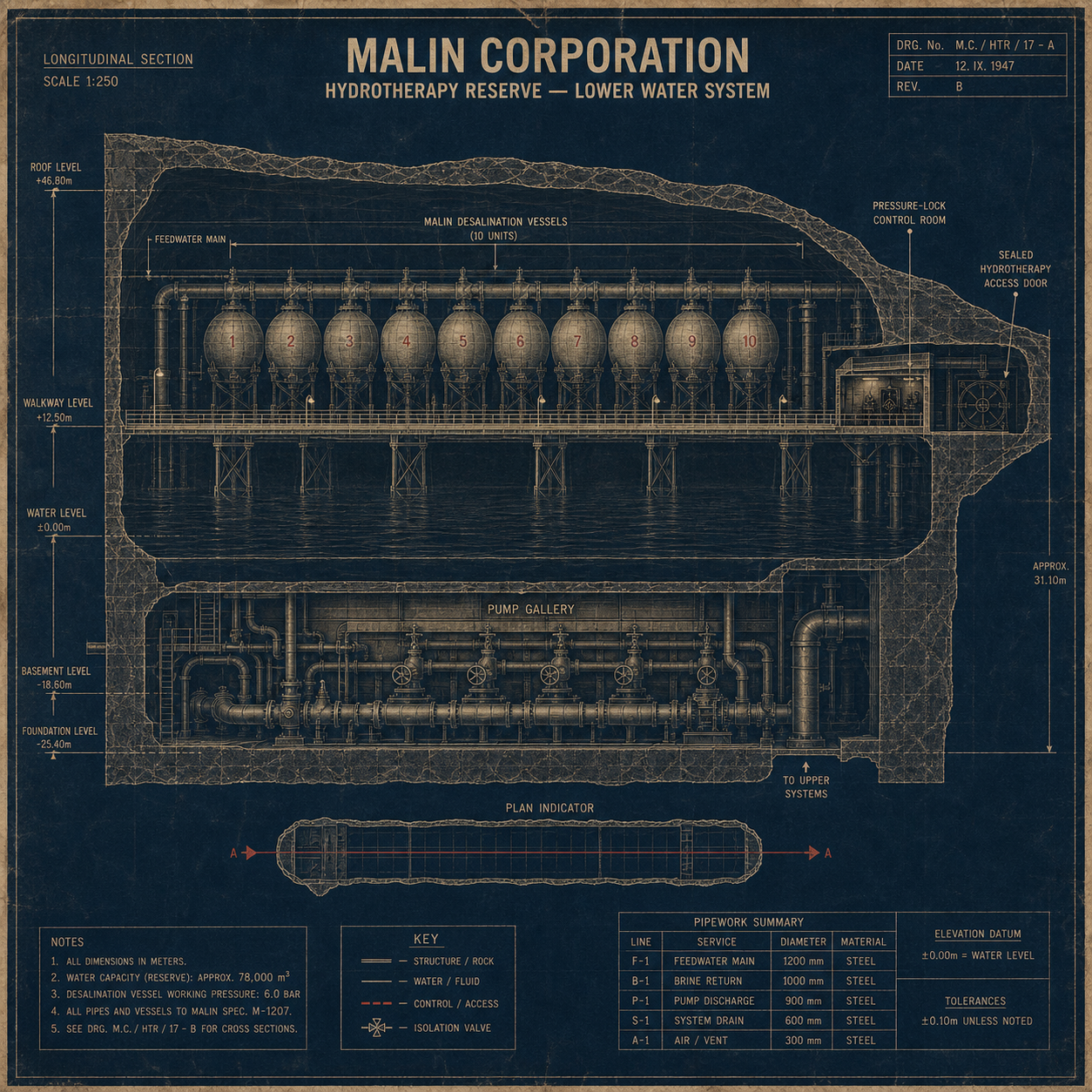
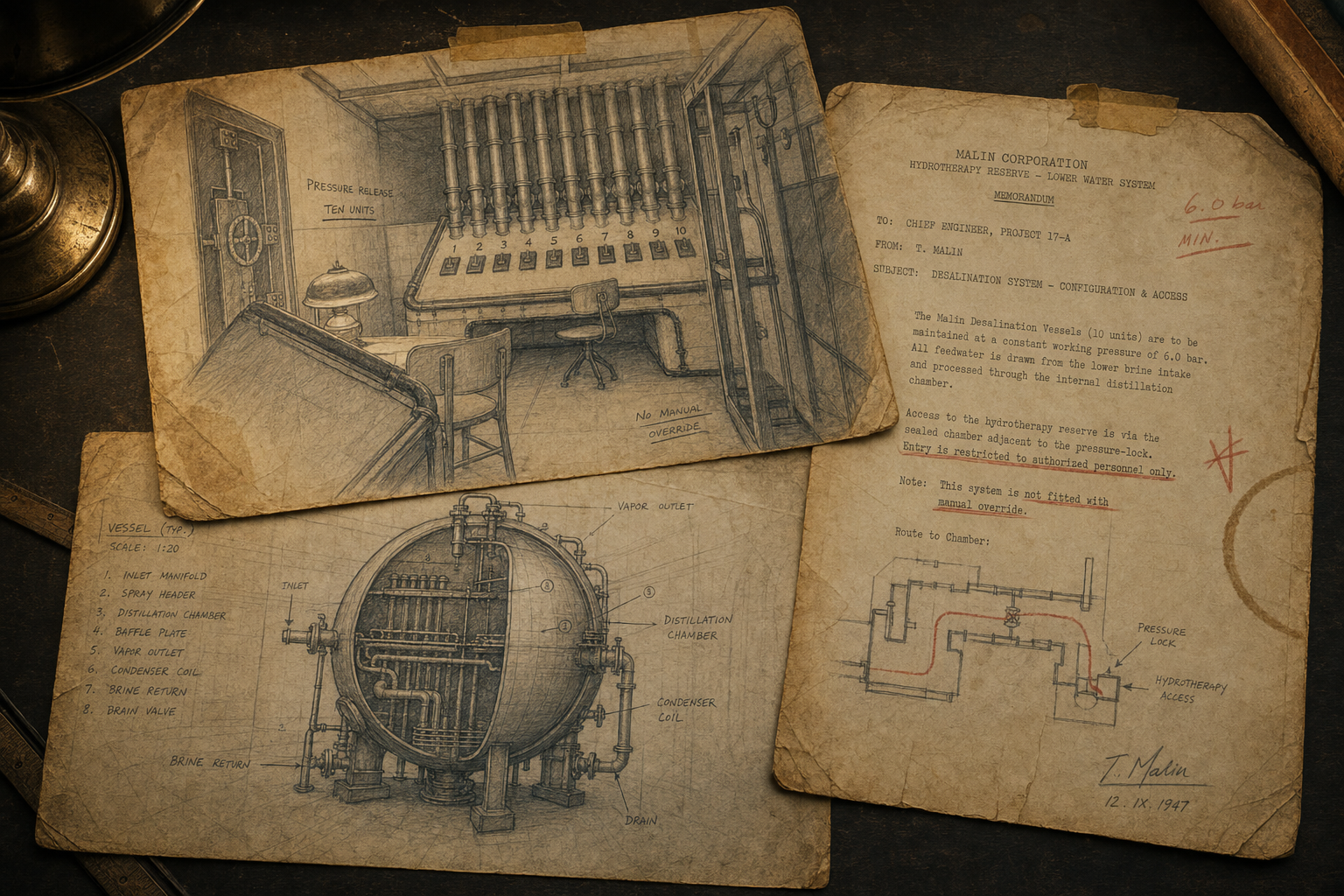
The earliest Malin plans treated the reservoir as an even more elaborate system: a bank of ten vessels beneath a long walkway, a separate pump gallery and a manually controlled pressure lock. The surviving papers are rejected initial planning rather than a final blueprint, but they were useful in establishing the scale, route and slightly unreasonable ambition of the finished space.
I have been interested in liminal spaces and architecture since the 1980s, when my uncle owned a kitchen showroom. Long before liminal became a widely used term, there was something fascinating about those artificial rooms: recognisable domestic spaces assembled inside a larger building, functional but not quite real.
That interest has followed me throughout development, and the hospital beneath Asylum Rock has provided rather a lot of room for it.
The reservoir is the final piece of exploration before Chapter Two. The player enters, sees the switches, understands what must be done and brings the machinery to life. No ten-stage reset sequence. No ceremonial burning of the computer. Just ten switches, several colossal pumps and the route forward.
Working Material
Technical diagrams and working material