Article
AR-HIS-0003 / Public
Between Gondola and Pandora: The Site Logic of Asylum Rock
The selection of Asylum Rock for Troy Malin's hospital appears to have been both practical and opportunistic: a hard island placed between family holdings, ancient ruins, and an engineer's appetite for impossible systems.
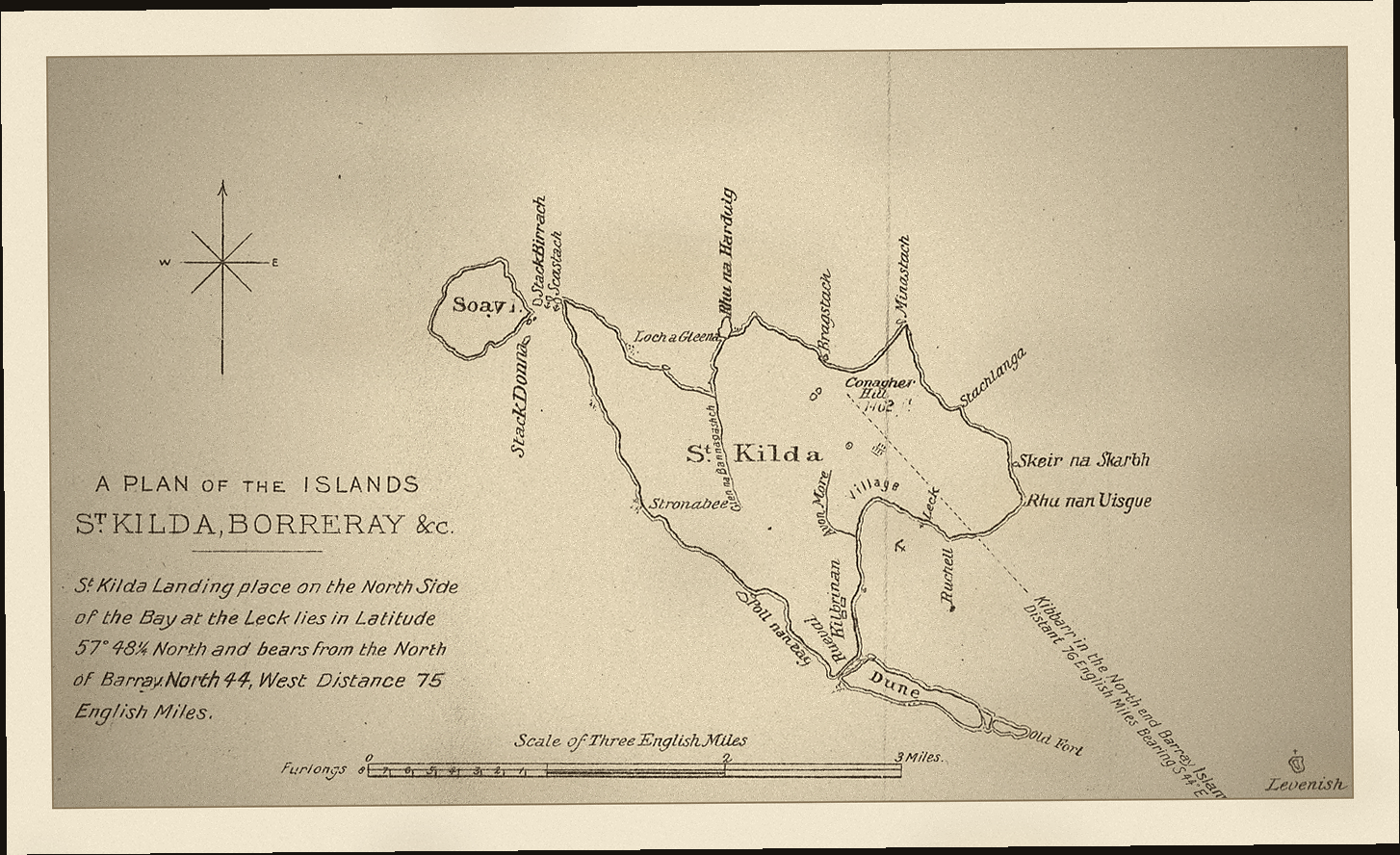
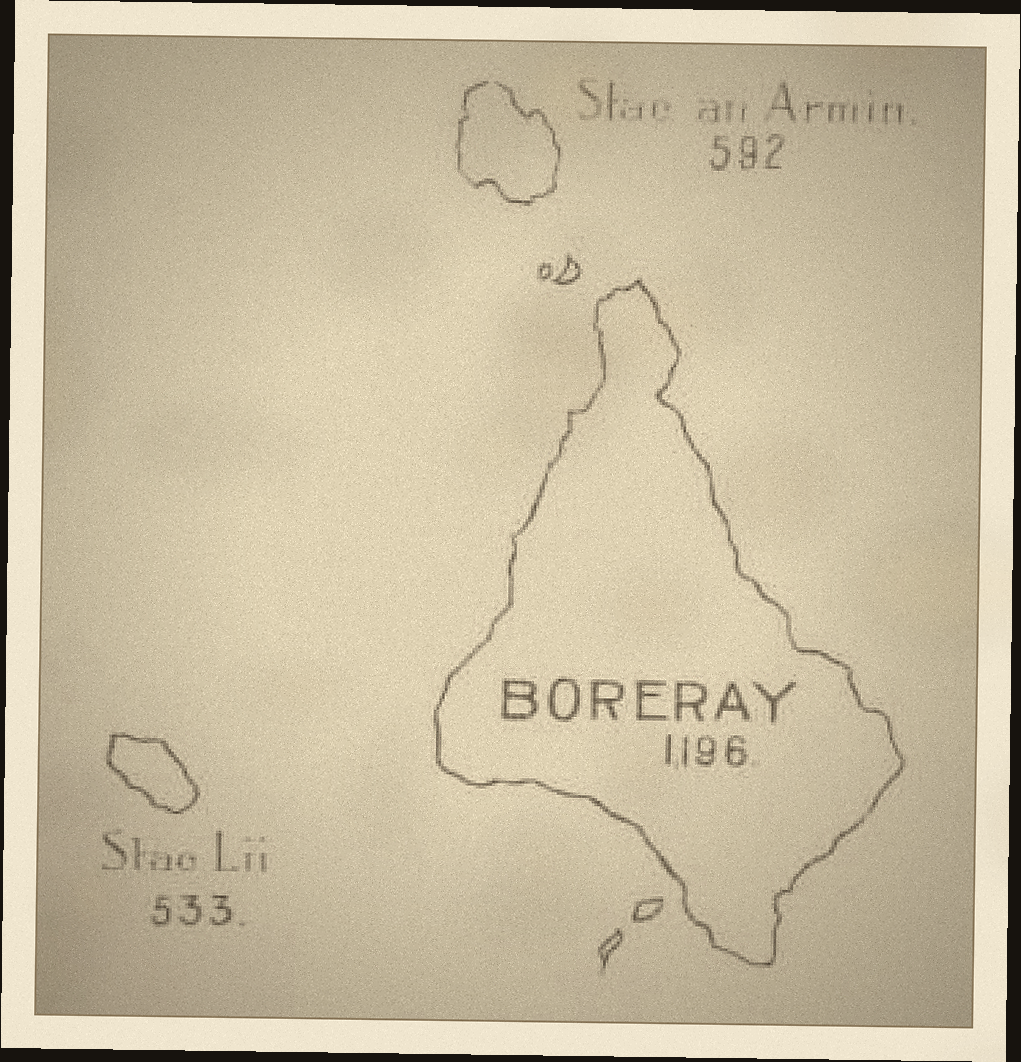
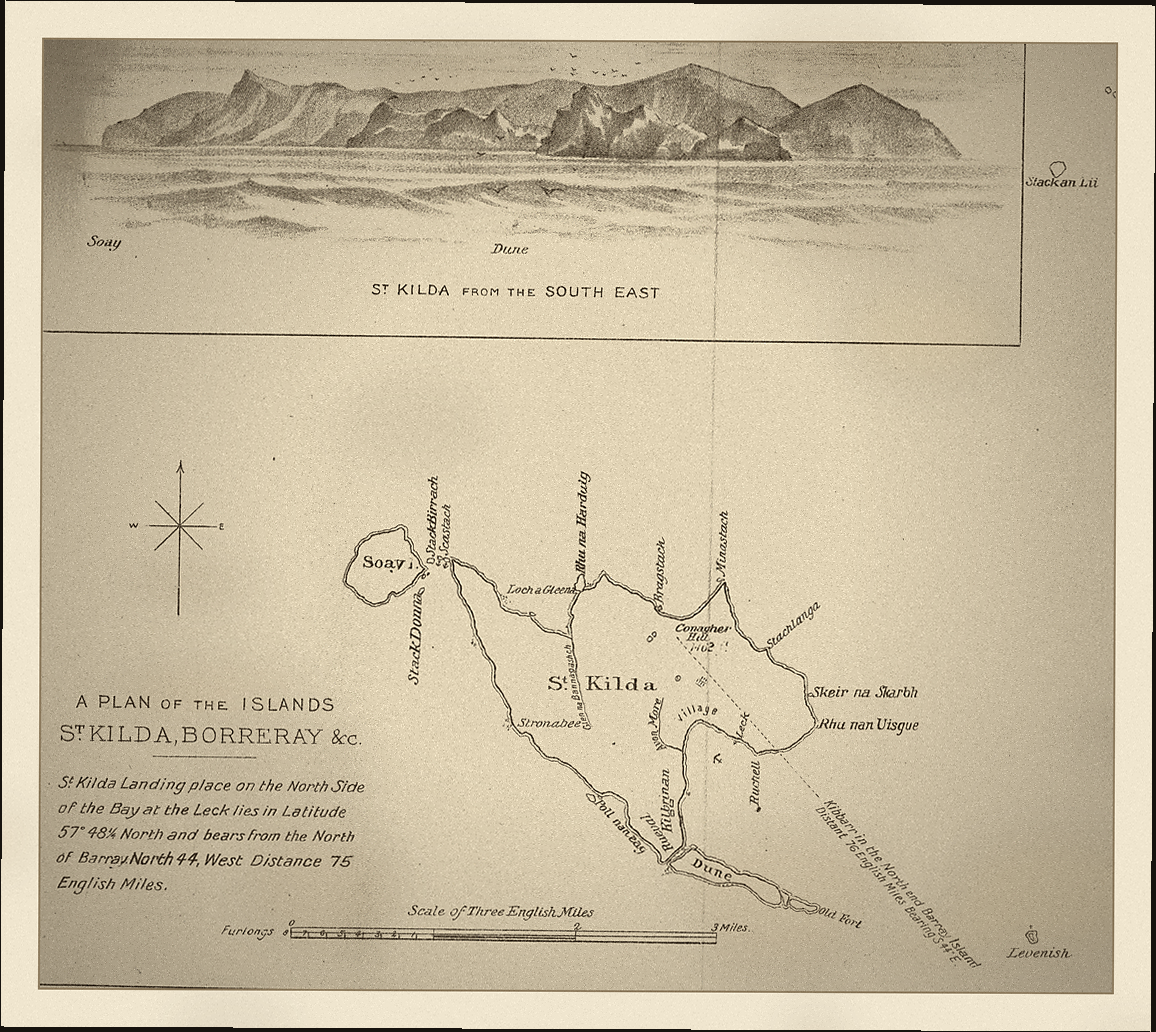
The question of why Troy Malin chose Asylum Rock for his hospital is usually answered too simply. It was remote, certainly. It was defensible. It could remove difficult patients from public view. Those explanations are not wrong, but they do not account for the island's position inside the Malin family geography.
Asylum Rock sits between Gondola Island, itself a later name, and Pandora's Rock. That placement made it a practical waystation for movement across a hazardous island chain. Supplies, workers, patients, machinery, and private visitors could be routed through a controlled middle point before continuing toward Pandora's Rock, the more dangerous and more closely guarded family holding.
The older Malin claim to the islands passed through Ulysses Malin, Troy's brother and the last keeper of Pandora's Rock. Family papers describe a line of stewardship reaching back into the Norse occupation of the islands. Whether that tradition is legal history, family mythology, or something deliberately made to serve both purposes remains unresolved. What matters is that Troy Malin did not choose an empty rock. He chose a rock already inside a private system of movement, ownership, and silence.
There were also ruins. Asylum Rock had long been described as inhospitable and difficult to build upon, but it was never described as blank. Monolithic remains appear in travel accounts and estate notes well before the hospital period. They were treated as curiosities by some writers, hazards by builders, and survey markers by at least one early Malin engineer. The island was difficult terrain, but it already had a kind of unwanted significance.
Malin's first practical use of the site seems to have been modest. In his younger years he placed a gondola station there, using the island as a staging point between Gondola Island and Pandora's Rock. The station allowed supplies to be brought across in controlled loads, and it gave the family a dependable route when sea conditions made direct landing unpredictable.
That changed as Troy Malin's patents and business interests began producing the wealth that would define the hospital period. Malin's research into shell shock and related psychological injuries developed at a time when families, institutions, and governments were increasingly willing to move troubled relatives, wards, and veterans out of sight. Asylum Rock offered distance, discretion, and scale. Malin offered new therapies, international medical names, and facilities that appeared to promise order where ordinary institutions offered confinement.
The earliest hospital model still relied on recognised doctors, trained nurses, orderlies, and conventional medical administration. The later model did not. Malin's industrial interests, and his fascination with mechanical calculation, began to reshape the hospital into something less like a building and more like a sealed operating system. He appears to have asked a practical question with unreasonable seriousness: what would happen if there were not enough nurses, doctors, orderlies, or custodians?
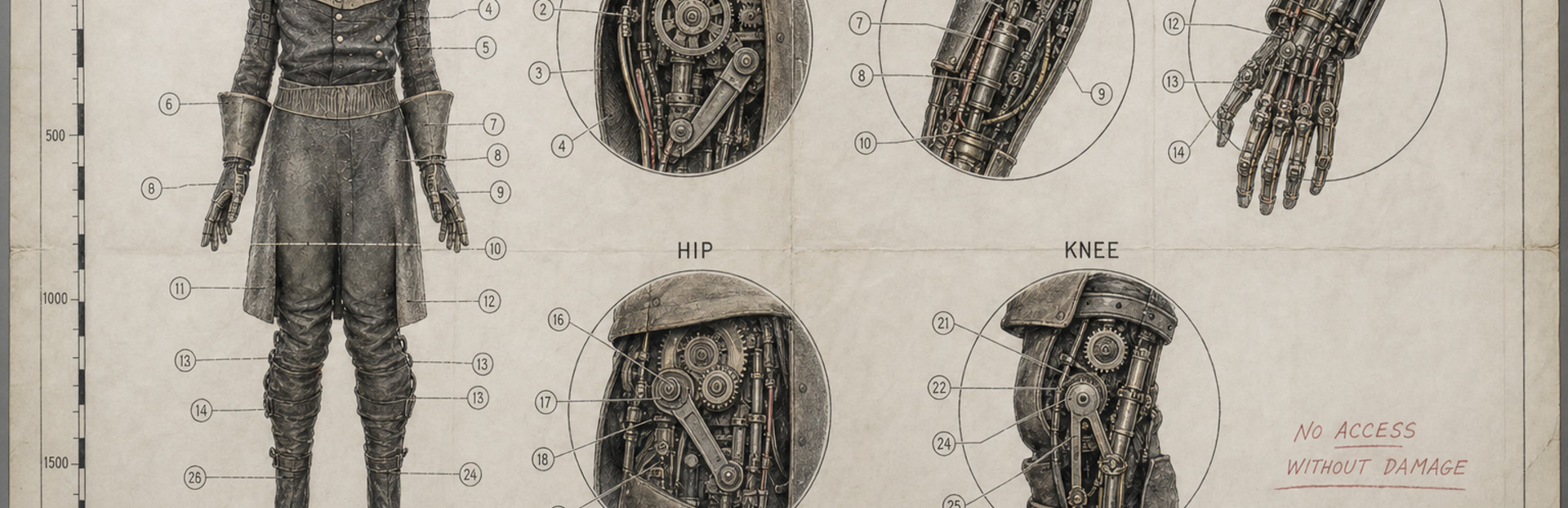
Wars were never distant from Malin's calculations. Medical personnel could be called away. Supply lines could fail. Epidemics could close ports. Staff could refuse postings. The hospital's answer was not simply to recruit more people, but to reduce the number of people needed. Automated nursing units, diagnostic suites, treatment centres, patient-routing machinery, hydrotherapy systems, cargo yards, self-contained greenhouse units, and internal transport lines all appear in plans from the late construction phase.
Several surviving engineering notes refer to central tabulation rooms, punched instruction stores, and relay cabinets connected to treatment scheduling. These descriptions do not amount to a modern computer, but they do show Malin working in a Babbage-like direction: mechanical administration, procedural medicine, and institutional decision-making reduced to valves, cams, cards, counters, and sealed cabinets. The result was not efficiency in any ordinary sense. It was excess made systematic.
By the late 1920s the discrepancy had become visible. Patient intake increased. Staff recruitment did not rise at the same rate. The hospital continued to expand inward, filling its own vast buildings with systems whose purpose was sometimes clear in isolation and baffling in combination. Hydrotherapy reserves, diagnostic routing, cargo handling, greenhouse production, patient transport, and ward automation were all defensible projects. Together they suggest a facility designed to survive conditions no ordinary hospital expected.
That may be the real answer. Asylum Rock was chosen because it was useful, private, and already bound into the Malin family's island route. It was kept because its difficulties suited Troy Malin's ambitions. The rock gave him isolation. The ruins gave him an older geometry to build around. The family holdings gave him movement and cover. His money gave him permission to make every problem mechanical.
Further records are still being reviewed. The Trust has not yet established how much of the hospital's automated infrastructure was completed before the late 1920s, or how much remained theoretical. What can be said is simpler and more troubling: Asylum Rock was not merely where Malin placed his hospital. It was part of the machine.